Ecommerce conversion rate optimization services systematically increase the percentage of your store’s visitors who buy, subscribe, or complete checkout — without paying for more traffic. UpWeb Studio is a US ecommerce CRO agency working with Shopify and WooCommerce stores doing $50K to $5M in monthly revenue. We run the audit, ship the fixes in code, and measure the result — all from one in-house team, so the strategy and the implementation aren’t separated by a vendor handoff.
Ecommerce Conversion Rate Optimization Services


Partner

Partner

UpWork

Clutch
45+
E-commerce Projects
Shopify and WooCommerce stores launched for businesses across multiple industries
5+
Years Experience
Delivering results for small and medium businesses since 2019
7
Diverse Industries
From swim instruction to collectibles, handcrafted toys to industrial training
4.9
Average Client Rating
Based on verified reviews from completed projects





Why Most US Ecommerce Stores Lose Revenue Inside Their Own Funnel
The average US ecommerce conversion rate sits around 2.5 to 3.5%, meaning 96 to 97% of paid traffic leaves without buying. Most of that loss happens at predictable points: the product page, the cart, the checkout. Across 45+ ecommerce audits, the same four problems show up almost every time — and so do the same four reasons most stores don’t fix them.
Where Ecommerce Funnels Break Down

Product pages that don't answer the buying question.
Specs buried below the fold, image gallery that doesn't let you zoom, shipping cost hidden until checkout, no answer to "will this fit / how long does it last / what if I don't like it." Shoppers leave for a competitor whose product page actually sells.

Checkout that fights the buyer.
Forced account creation, 14-field address forms, surprise shipping costs at step three, no Shop Pay or Apple Pay. The average US store loses 18 to 22% of carts at the checkout step alone — most of it preventable.

Mobile UX treated as desktop UX shrunk down.
70%+ of US ecommerce traffic comes from mobile, yet most stores design and test on desktop first. Touch targets too small, CTAs three scrolls below the hero, product image zoom that breaks the page on iOS Safari.

CRO done once, then never again.
A consultant runs an audit, hands you a 40-page PDF, your developer implements two of the recommendations, and the rest gets forgotten. The conversion problems return within a quarter, often worse than before.
How Our Ecommerce CRO Services Work Differently

Audit and implementation by the same team.
Most CRO agencies hand you a report and walk away. We audit the funnel, write the hypotheses, ship the fixes in code, and monitor the result. No translation loss between strategy and execution, no waiting on someone else's dev backlog.

Mobile-first CRO workflow.
Every funnel improvement starts on mobile and scales up to desktop. Mobile conversion rates trail desktop by 30 to 50% in most stores, so fixing mobile first usually delivers the biggest absolute revenue gain — not the most visible test, the biggest one.

Heuristic and qualitative methods, not just A/B tests.
Stores doing under 8,000 sessions per page per month don't have the volume for statistically valid A/B testing. We're upfront about that. Lower-traffic stores get heuristic audits, session recording analysis, and pre-post measurement — methods that actually work at SMB scale.

US ecommerce CRO at SMB-friendly rates.
Same seniority and rigor as enterprise CRO agencies billing $8,000 to $15,000 monthly retainers, at 40 to 60% lower fees through our remote European delivery model.
Ecommerce CRO Services We Offer
Different ecommerce stores arrive at conversion optimization with different problems. Some need a diagnostic before committing budget to a bigger project. Others want a fixed-scope engagement that ships shipped fixes by a deadline. Stores past the initial wins want a continuous program that compounds month over month. Our ecommerce CRO services are structured around five entry points — pick the one that matches where your store is right now, not an abstract methodology you’d have to retrofit into.
CRO Audit (Standalone Diagnostic)
A 2- to 3-week diagnostic engagement with no implementation included. Deliverable is a written report with specific friction points, recommended fixes, expected impact estimates, and effort-to-impact ranking — formatted as a working document, not a marketing PDF. The right entry point for stores that want a second opinion before approving a full optimization budget, or for in-house teams with dev capacity but no CRO specialist on staff.
Funnel Optimization Project (Fixed-Scope Sprint)
Audit, hypotheses, implementation, and measurement in one engagement with scope and pricing locked before kickoff. Typical sprint runs 8 to 14 weeks depending on store complexity and the number of funnel stages in scope. Best fit for ecommerce stores with identified conversion problems that need shipped fixes on the live store, not another stack of recommendations. Output is working code plus before/after performance reporting against agreed metrics.
Monthly CRO Retainer (Continuous Optimization)
Ongoing optimization billed monthly, structured as a defined number of test or improvement cycles per month. The natural next step after a Sprint, where the remaining conversion lift comes from compounding small wins rather than a few large ones. Retainers are best fit for stores already past the obvious friction — at that point, the work shifts from “fix what’s clearly broken” to “find and ship the 1–2% improvements that don’t surface in a single audit.”
Shopify CRO
Platform specialty track for stores on Shopify and Shopify Plus. Most Shopify stores carry 2 to 4 apps that materially slow the funnel — pruning the app stack often delivers conversion lift before any other change ships. Beyond that: Online Store 2.0 section block configuration, theme-level work in Liquid, and checkout extension logic for Plus accounts. Available as a standalone audit or as part of a full Sprint or Retainer.
WooCommerce CRO
Platform specialty track for stores on WooCommerce. A typical WooCommerce install carries 15 to 30 plugins, and several of them usually touch checkout or cart fragments directly — plugin audit is often the highest-impact starting point. Beyond that: template-level CRO work, checkout field configuration, and front-end performance tuning where third-party scripts and fragments cache create friction. Available as a standalone audit or as part of a full Sprint or Retainer.
Outcomes Our Ecommerce CRO Services Drive
Ecommerce CRO work earns its keep through measurable funnel metrics. Conversion rate is the headline number, but average order value, customer acquisition cost, and lifetime value matter just as much. Our services focus on the four metrics that compound the most for small and medium ecommerce businesses.

Higher Conversion Rate and Revenue per Visitor
The core outcome: more buyers from the same paid and organic traffic. Most stores we audit have 2 to 4 specific friction points costing 15 to 30% of potential conversions — usually in product pages, cart, or checkout. Fixing those is the work, and it's where the largest reliable lift lives.

Lower Customer Acquisition Cost (CAC)
CAC is ad cost divided by conversion rate. When CvR goes up, CAC drops without changing ad spend a dollar. For ecommerce stores paying $40 to $80 CPM on Meta or Google, even a 15% CvR improvement materially changes payback economics on cold traffic.

Higher Average Order Value (AOV)
Pure CvR optimization can actually lower AOV — discount-heavy copy, oversimplified upsells, friction-free cart designs that skip bundling. We optimize for revenue per visitor, not conversion in isolation. Bundle logic, upsell placement, and cart-page recommendations that raise order size without forcing it.

Better ROAS and Customer Lifetime Value (LTV)
A converting funnel makes paid traffic cheaper, but the post-purchase experience determines whether customers come back. We audit confirmation pages, transactional emails, and second-purchase flows alongside the front-end funnel — because repeat buyers are where most ecommerce profit actually comes from.
Our Ecommerce CRO Process
Five phases refined across 45+ ecommerce projects. Predictable timelines, scope locked before kickoff, weekly check-ins. CRO engagements typically run 6 to 14 weeks for the initial optimization cycle, then continue as monthly retainers if your store has the traffic to support ongoing testing.
Weeks 1-2
Audit and Data Setup
We start with whatever data is already available: GA4 funnels, heatmaps if Hotjar or Microsoft Clarity is installed, session recordings, ad performance data, customer support tickets. If the tracking is broken or incomplete, we fix it before recommending anything — bad data produces bad CRO. Output is a prioritized list of friction points ranked by expected impact and implementation cost.
Weeks 3-4
Funnel Analysis and Hypotheses
We map the full ecommerce funnel: traffic source → landing page → product page → cart → checkout → confirmation → post-purchase. For each drop-off point, we write specific hypotheses tied to either UX research or competitor benchmarking. Every hypothesis includes a measurable success metric, so we know whether the fix actually worked.
Weeks 5-8
Implementation
The team that wrote the hypotheses builds the fixes in code. Theme edits for Shopify, template edits for WooCommerce, or custom development where the platform won't support it natively. Mobile and desktop both QA'd on real devices on iOS Safari, Android Chrome, and the desktop browsers your analytics says actually matter.
Weeks 9-10
Test or Iterate
For stores with traffic above ~8,000 sessions per page per month, we run controlled A/B tests on the highest-impact changes. For lower-traffic stores, we measure pre-post performance on key metrics over a 30 to 60-day window. Either way, you get data on what moved, not opinions.
Week 11+
Monthly Optimization
The first round of CRO catches the obvious friction. Months 4 through 12 catch the subtler stuff: edge-case browsers, specific traffic sources that convert below average, seasonal patterns, post-launch design drift. Ongoing optimization is where most of the long-term conversion lift actually lives — and where one-time CRO audits fall short.
Other Development Services
We also optimize and build custom web apps, SaaS platforms, and corporate websites. One Florida-based team handles everything from UX design to final code deployment. No outsourced handoffs. No lost strategies. We ensure your business goals translate directly into working code.
E-Commerce Services
Shopify and WooCommerce stores built to convert. Custom themes, payment integrations, inventory management, and checkout.
- Ecommerce CRO & Speed Optimization
- E-commerce Design
- E-commerce Development
- Management and Solutions

Web Development
Web development in WordPress and Shopify with custom functionality, optimal performance, and seamless integrations.
- WordPress development
- WooCommerce development
- Shopify development

Web Design
Professional design services including custom website creation, mobile-responsive layouts, and brand-focused visual solutions.
- Custom Web Design
- Responsive Web Design
- Redesign Services

UI/UX Design
Comprehensive UI/UX design services focused on user research, interface optimization, and conversion rate improvement.
- UI Design
- UX Design
- UI/UX Consulting

Site Maintenance
Comprehensive maintenance services to keep your website secure, updated, and performing at its best.
- WordPress maintenance
- Hosting and updates
- Migration services

What Clients Say About Our Ecommerce CRO Work
Feedback from the founders, marketing leads, and operators who trusted us with their ecommerce builds. Real names, real companies, real projects. Available on request and on our verified profiles.
UpWeb Studio handled our e-commerce setup from competitive analysis to SEO listing optimization. Their research-driven approach to product tags and listings gave us immediate visibility and helped us generate sales much faster than we expected.

Kale Art Creative
The team took the time to understand our niche and built a Shopify store that matches the aesthetic of our brand. Navigation is simple, and our customers can checkout in seconds. We noticed a clear uptick in both traffic and orders immediately after launch.

Handmade Custom Dolls
UpWeb Studio guided us through the entire Shopify setup—from domain mapping to custom shipping rules. Their developers even recorded short video walkthroughs for our team, making it simple to manage backend settings post-launch.

Candy Pattern Shop
We needed a portfolio site that showed the detailed precision of our architectural projects. UpWeb Studio delivered a fast, responsive WordPress site that does exactly that. The video walkthrough they provided makes it easy for our non-technical team to update the backend on our own.

LOVEtsART
The team captured the exact minimalist aesthetic we wanted for our design assets. The Shopify store is fast, clean, and makes product management easy. Since the launch, we’ve seen a clear increase in direct sales.

ILove Mockup Designs
We started with an Etsy shop setup, but as we grew, UpWeb Studio migrated us to a custom WooCommerce store. Moving off Etsy gave us complete control over our brand and removed platform fees, directly boosting our profit margins. The entire transition was handled without any downtime.

Embrodisiac
Common Questions About Our Ecommerce CRO Services
Common questions from US ecommerce business owners evaluating CRO services. If your question isn’t covered here, our team responds to discovery requests within one business day.
What is ecommerce CRO, and how is it different from SEO or PPC?
Ecommerce conversion rate optimization is the practice of increasing the percentage of visitors who buy, sign up, or complete a target action on your store. SEO and PPC grow the top of the funnel by bringing more traffic. CRO grows the bottom of the funnel by converting more of the traffic you already have. The two work together — CRO makes every dollar of paid traffic and every organic visit worth more, without changing what you’re paying for them.
How long before we see results from ecommerce conversion rate optimization?
Most ecommerce CRO engagements show measurable conversion improvement within 6 to 12 weeks after the initial fixes ship. The exact timeline depends on traffic volume, the severity of existing funnel issues, and whether changes require A/B testing or can be deployed as direct improvements based on heuristic audit findings.
Stores with high traffic and clear friction (broken checkout, missing payment methods, slow product pages) often show double-digit CvR improvement in the first 30 days post-implementation. Stores with subtler issues or lower traffic need longer measurement windows — 60 to 90 days — to separate real signal from seasonal noise.
How much do ecommerce CRO services cost in the US?
Our ecommerce CRO services run 40 to 60% below typical US agency rates for comparable scope and seniority. Most US-based ecommerce CRO agencies bill enterprise-tier monthly retainers or fixed project fees that price out small and medium stores entirely. We deliver the same engineering and analysis standards through a remote European delivery model — no quality shortcuts, no hidden fees, no offshore communication gaps.
The exact engagement cost depends on store size, traffic volume, platform (Shopify vs WooCommerce), and whether ongoing A/B testing is in scope. Pricing is locked before kickoff after a free discovery call, with no surprise invoices after the work ships. Most SMB ecommerce stores find our rates fall well inside a marketing budget that previously only covered ad spend.
Do you need a minimum amount of traffic for A/B testing to work?
Yes. Statistically valid A/B tests need roughly 8,000 to 10,000 sessions per page per month to reach significance within a reasonable window — usually 2 to 4 weeks. Stores below that threshold still benefit from CRO work, but the method changes. We switch to heuristic audits, qualitative user research, session recording analysis, and pre-post measurement instead of forcing tests that would take 8+ weeks to resolve. We’re upfront about this during discovery — many CRO agencies aren’t, and the result is months of inconclusive testing on stores that never had the traffic to begin with.
Do you work with Shopify and WooCommerce, or only one platform?
Both, and the CRO approach differs between them. Shopify conversion rate optimization usually focuses on theme-level changes, Online Store 2.0 section blocks, app stack review, and checkout extensions where Shopify Plus stores get more checkout control. WooCommerce conversion optimization involves deeper template-level work, plugin audit, checkout field optimization, and often fragments cache and performance tuning. The hypotheses look similar across platforms — the implementation is platform-specific. We’ve shipped on both across 45+ ecommerce projects.
Can you do CRO on our existing store without rebuilding it?
Yes. Most CRO engagements are exactly that — optimization of the existing store without a redesign. We audit current performance, identify the specific friction points hurting conversion, and ship targeted fixes on your existing Shopify theme or WooCommerce site. Full redesigns are rarely the right CRO answer; they reset the data baseline and introduce new risk. We only recommend a rebuild when the underlying platform genuinely blocks the fixes the funnel needs.
What's the difference between an ecommerce CRO agency and a CRO consultant?
A CRO consultant typically delivers analysis, recommendations, and a roadmap — then leaves implementation to your in-house team or another vendor. An ecommerce CRO agency owns both strategy and execution. The trade-off is cost and control: an ecommerce conversion optimization consultant costs less but requires you to have capable dev capacity standing by. An agency costs more but ships the fixes themselves. We work as an agency because most SMB ecommerce stores we talk to don’t have the dev bandwidth to act on a consultant’s roadmap without losing months in queue.
Latest Articles on Ecommerce Development
Platform comparisons, integration deep-dives, and real lessons from building ecommerce stores for US brands. Visit the blog for the full archive.
August 21, 2026
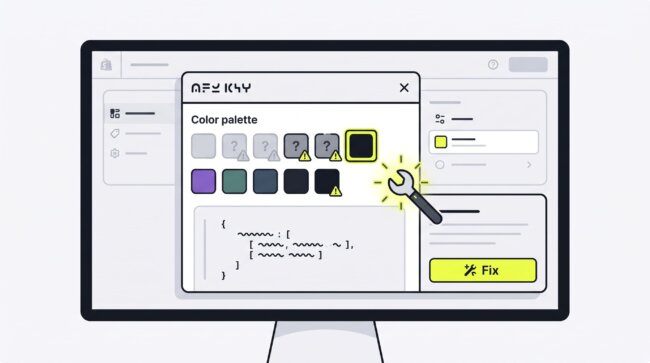
How to Fix Color Schemes Must Be Defined
Fix the "color schemes must be defined in settings_data" error in Shopify Dawn (v11+). Learn 3 quick ways to restore your JSON presets and unblock the theme cus...
Read More
August 17, 2026
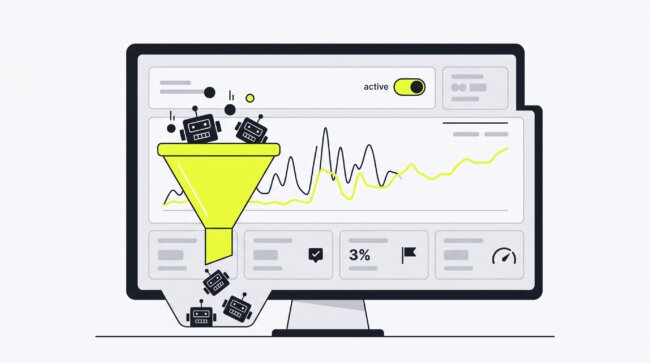
What is Council Bluffs Shopify Traffic
Seeing traffic spikes from Council Bluffs, Iowa on Shopify? Discover what causes this automated bot traffic and how to filter it out in GA4 and Shopify Analytic...
Read More
August 10, 2026
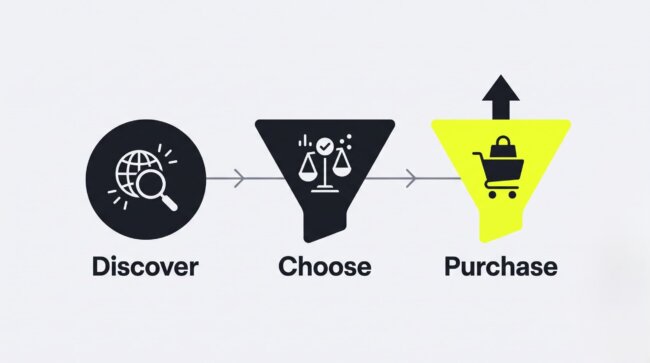
WooCommerce Conversion Rate Optimization
WooCommerce conversion rate optimization is a data-driven framework for finding the exact points where shoppers give up — slow pages, cluttered checkouts, missing...
Read More
August 4, 2026
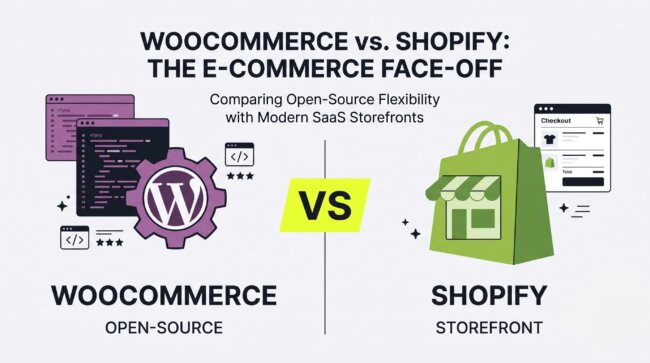
WooCommerce vs Shopify
WooCommerce vs Shopify remains the platform decision that defines long-term costs and development flexibility for US merchants in 2026. Shopify sells speed and ...
Read More
July 27, 2026
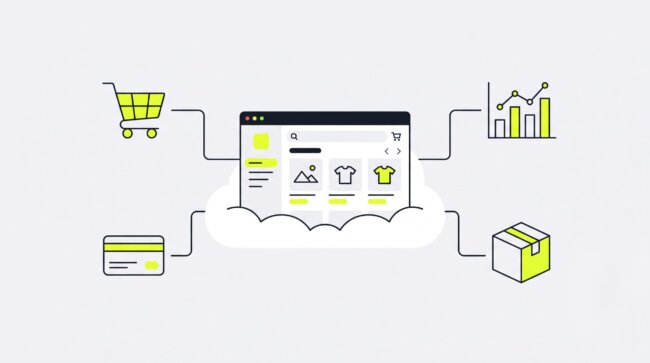
What Is a Cloud eCommerce Platform
Aging on-premises servers slow every product launch, drain IT budgets, and buckle under Black Friday traffic. A cloud ecommerce platform removes that bottleneck:...
Read More
July 21, 2026
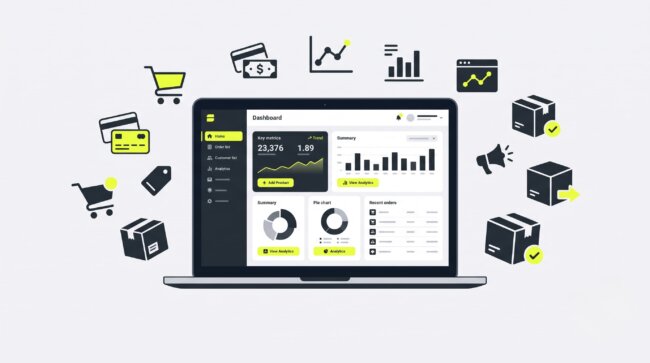
Best eCommerce Site Builders for Online Stores
The best ecommerce site builders let small businesses launch an online store, accept payments, and manage shipping from a single dashboard — no developer requir...
Read More
Ready to Launch Your Next Project?
Get started with a free consultation and a custom quote. Our team will review your requirements and send a detailed proposal within 24 hours. Scope, timeline, and pricing included upfront. No follow-up sales calls required
"*" indicates required fields